In this extract from ‘The Unfragile Mind’, GP and writer Gavin Francis explores low mood – how we name it, how it’s shaped by culture, and how we might find a way through it.
Through the valley of gloom
Words by Gavin Francisartwork by Beya Rebaïaverage reading time 7 minutes
- Book extract

The Unfragile Mind, Artwork: Beya Rebaï. © Welcome Collection. Attribution-NonCommercial-NoDerivatives 4.0 International (CC BY-NC-ND 4.0).
Conversations about unhappiness often circle around the social world that sustains us: fractious relationships, irritations and disappointments, work worries, relationship difficulties (whether partners or lovers, children or siblings).
A GP friend of mine calls early consultations about low mood ‘fishing trips’: he casts his line into the lives and stories of his patients, trying to hook details of their motivations and frustrations, find out what nourishes and refreshes them, what they used to love about life but have lost. What evolves through those conversations (if they’re effective) is a personal relationship.
It’s not entirely clear to me in my own work as a GP how often the suggestions and reflections I offer, tailored to each person’s character and life experiences, are the aspect of the consultation that makes the greatest difference, or whether it’s simply the opportunity to be attentively heard.
The language of sadness
The latest iteration of the DSM (Diagnostic and Statistical Manual of Mental Disorders) suggests ‘depression’ for anyone who has suffered more than a fortnight of relentless low mood for most of the day. It asks whether someone has lost the ability to take pleasure in, or interest in, their usual activities. It asks about weight loss or weight gain, appetite loss or appetite gain, insomnia or too much sleep.
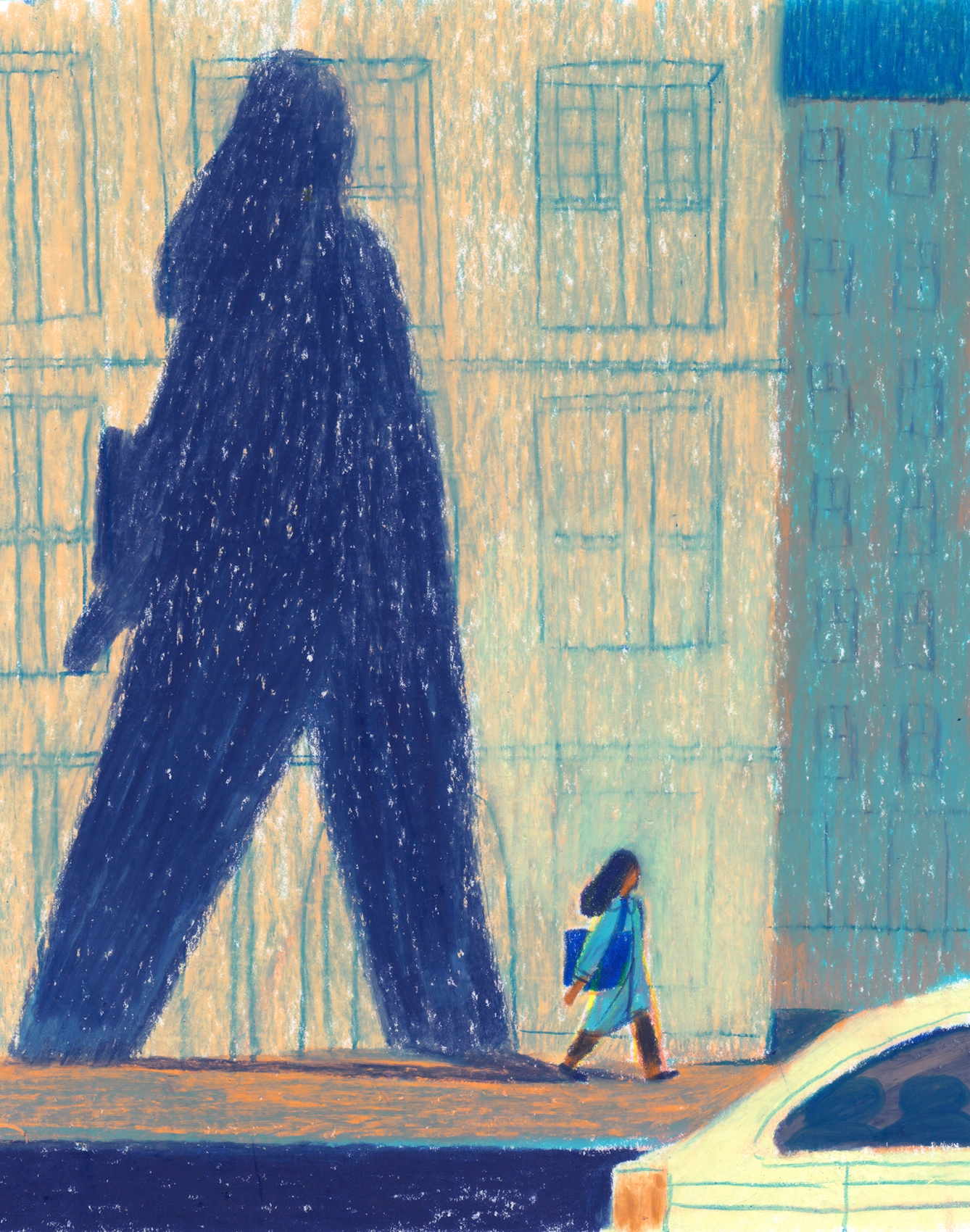
When mood swings low, thoughts can slow down, and the body seems to close in on itself with a decrease in physical movement, exhaustion, fatigue. For many that drop in vitality is accompanied by a decrease in self-worth, feeling that you’re without value and, in more severe cases, unjustifiably guilty. There can be an inability to concentrate or think clearly, as well as indecisiveness. Relentless feelings of guilt and worthlessness may dovetail with recurrent thoughts of doing harm to yourself or even killing yourself.
People don’t come into the clinic labelled as sad, unhappy, hopeless, despairing, despondent, suicidal; these are all words and labels that get applied through conversation and storytelling. Sometimes they’re more helpful than the label ‘depression’, sometimes they’re not.
The Unfragile Mind, Artwork: Beya Rebaï. © Welcome Collection. Attribution-NonCommercial-NoDerivatives 4.0 International (CC BY-NC-ND 4.0).
“When mood swings low, thoughts can slow down, and the body seems to close in on itself with a decrease in physical movement, exhaustion, fatigue.”
How culture shapes depression
What gets labelled depression is culturally determined – studies have found that only around 3% of Japanese people meet criteria for a degree of depression, compared with 17% of Americans, and 18% of French people.
Latitude matters – if you live high in the northern hemisphere, you’re more likely to suffer from a seasonal depression; the formal diagnosis of seasonal affective disorder (SAD) requires that mood plummets, usually through the winter, on at least two consecutive years. It is thought to affect around 3% of the UK population, though most people who experience this don’t go near the doctor.
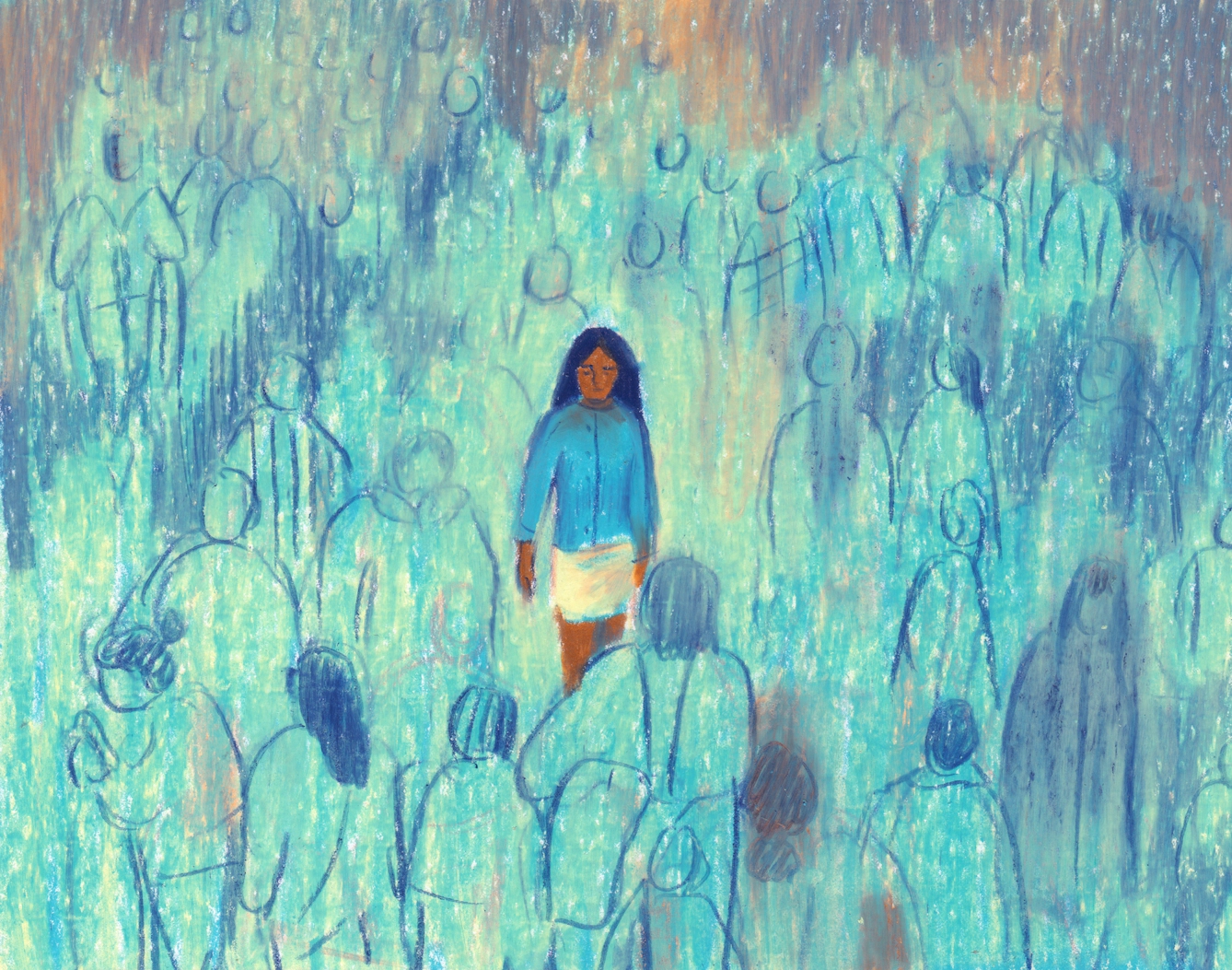
Culture matters, particularly if there’s discord between your own personality type and the priorities of the prevailing culture around you. An American study found that in Boston, to have a collectivist mindset which opposed individualism was associated with low mood; in Turkey, the opposite happened: people who were individualistic were more likely to be depressed. It’s as if wellbeing is partly dependent on a synergy between your own preferred approach to life and the approach of the society around you.
In India, ashaktapana describes a syndrome of low energy, fatigue and withdrawal; similarly in China shenjing shuairuo manifests bodily with weakness, fatigue, headaches, dizziness and upsets to the digestion. In Iran depression is often characterised by headache, irritability and pain rather than by low mood.
Small lanterns in the dark
It can be helpful to externalise that sense of gloom: visualising it as a monkey on your back, or a charm that can be dispelled, a burden that can be thrown off. Some languages describe moods as something that descends on us, rather than as elements of our core self, and that visualisation of the mood as something that can be cast aside too can be helpful.
There are other ways to imagine depressive feelings: Winston Churchill notoriously characterised his depressions as a black dog – one ordinarily kept walking to heel, but which from time to time would manage to get off its lead and cause havoc in his life. I’ve known people see their depressions as fogs to be blown away, as valleys of misery to be traversed. However they’re imagined, seeing those episodes as changeable, outside oneself and, crucially, beatable, can be the first step to getting free of them.
The Unfragile Mind, Artwork: Beya Rebaï. © Welcome Collection. Attribution-NonCommercial-NoDerivatives 4.0 International (CC BY-NC-ND 4.0).
“Culture matters, particularly if there’s discord between your own personality type and the priorities of the prevailing culture around you.”
If someone is unwell, they’d be well advised to find someone they trust, to talk about their feelings, and that trust is the basis of recovery. It’s not always necessary to reach for the drugs and a therapist: get the basics right first – a set of lanterns that will help guide the way through the darker places of the mind.
All of us need sleep, and good-quality sleep. Switching off screens in the evening, avoiding caffeine after 4pm, getting a comfortable bed, avoiding working or snacking in bed, keeping it dark, no naps through the day, winding down gently in the evenings – all these help make sure that when the time comes to sleep, your chance of drifting off is at its best.
Move: the body knows how to live and so using that body every day to get some exercise, to the best of someone’s ability or disability, helps. Even in profound depressions the effect of half an hour of exercise a day, vigorous enough to get out of breath, is proven to be as good for your mood as a prescription of antidepressants.
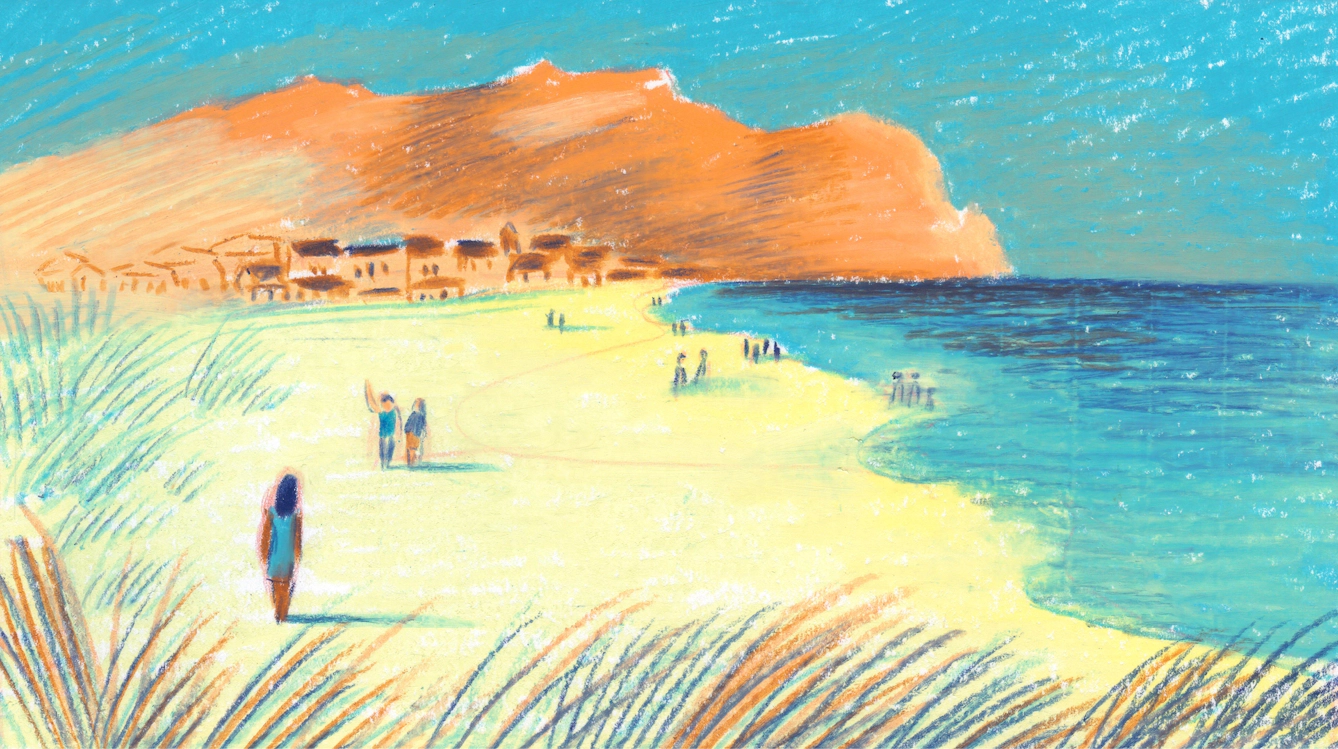
Finding a community helps – even the most cantankerous misanthrope among us is, at root, a social human being. Working on connections with old friends helps too, as does joining groups and clubs of people that share enthusiasms (and seeking out new ones).
Volunteering improves levels of happiness and seems to have an effect on general physical health too. Having a reason to get out and be with others can seem an impossible obstacle for some but can offer a sense of purpose and value to life.
The Unfragile Mind, Artwork: Beya Rebaï. © Welcome Collection. Attribution-NonCommercial-NoDerivatives 4.0 International (CC BY-NC-ND 4.0).
“Finding a community helps – even the most cantankerous misanthrope among us is, at root, a social human being.”
If disappointments, conflicts and relationships are the problem, counselling can help. There’s no substitute for being heard and having an experienced listener help you gather perspective, and fresh ideas.
If depressive feelings are brought on by the miserable, cold darkness of a northern winter, it’s worth getting as much light through the day as possible, even if it’s artificial light (though light from the sky is best).
When the philosopher David Hume felt low, he wrote that he’d get away from his books, take himself out for a fine meal with friends, play backgammon, laugh and joke with others in company. His suggestion to do more of the things that make you feel good, and less of the things that make you feel tense, stressed, sad and disappointed, remains wise advice. We don’t have control over many of the events of our lives, but we do have control over how we respond to them.
For some people antidepressant drugs will play a role, though after decades and billions of dollars-worth of research, their role remains uncertain. They all have side effects but for many of my patients those side effects are a small price to pay for the chance of feeling better.
Even the most severe depressive illnesses have a natural course and, given enough time, they often pass – if stressors and provoking factors can ease. Following advice, speaking with someone trustworthy, considering medication and holding fast will see many people all right in the end. The gloom may come back, but next time they’ll be better prepared.
It’s difficult to live in a place of cold, empty sadness, but the statistics suggest that for most of us, it will pass.
About the contributors

Gavin Francis
Author
Dr Gavin Francis is a GP and urgent care physician with a special interest in mental health. He is the bestselling author of ‘Adventures in Human Being’, ‘Shapeshifters’ and ‘Intensive Care’. He writes about health and medicine for the Guardian, London Review of Books and The Times, among others. His latest book, ‘The Unfragile Mind’, examines mental health, arguing for greater curiosity, humility, kindness, and hope in approaches to psychiatric diagnosis.

Beya Rebaï
Artist
Beya is a visual artist from Paris. She studied illustration in Brussels for three years, then completed a master’s degree in Paris. Fascinated by colour, particularly modern artistic movements, she creates pastel drawings using a tightly curated palette. She has produced work for international publications including The Guardian, The New York Times, The New Yorker and The Washington Post, as well as for brands and institutions such as Illy, Rimowa, Nike and Gran Meliá.